
Chemical peels have become a popular choice for rejuvenating skin, reducing the appearance of fine lines, acne scars, sun damage, and uneven skin tone. But like any skin treatment, it’s important to understand what to expect post-procedure. If you’re thinking about undergoing a chemical peel, or have already scheduled one, knowing the typical results timeline will help you navigate the healing process confidently.
In this article, we’ll break down the day-by-day changes you can expect to see after a chemical peel, from the initial glow to the final reveal of smoother, brighter skin.
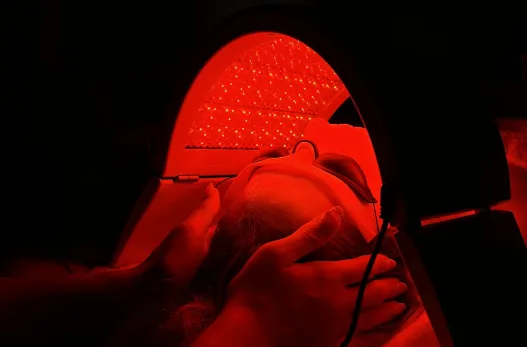
What Is a Chemical Peel?
A chemical peel is a skin treatment that uses a chemical solution to exfoliate the outer layers of the skin. The goal is to remove damaged skin cells, revealing a fresher and more even complexion beneath. Chemical peels come in various strengths—light, medium, and deep—each offering different benefits depending on the depth of exfoliation needed.
The recovery process can vary based on the type of peel you undergo, but there’s a general pattern of healing that most patients experience.
Day 1: Immediate Aftercare and the Glow
After your chemical peel, you may notice an instant glow as your skin begins its healing process. The skin will likely feel tight and possibly a little sensitive. You might also notice some redness, similar to a mild sunburn, especially with deeper peels. This is completely normal as your skin adjusts to the peel’s effects.
At this stage, it’s essential to follow your esthetician’s aftercare instructions closely. Avoid touching or scratching the treated skin, as this can lead to irritation or scarring. Make sure to stay hydrated and protect your skin from the sun using a broad-spectrum sunscreen.
Day 2-3: Mild Peeling and Dryness
By the second or third day, your skin will begin to show signs of peeling or flaking. It may not be immediately obvious, but your skin will start to feel dry and rough in some areas, and light peeling will occur. This is a sign that your skin is shedding its damaged outer layers. If you have a medium or deep peel, you may experience more noticeable flaking.
During this period, it’s crucial to keep your skin moisturized. Use a gentle, hydrating moisturizer to keep your skin soft and prevent irritation. Avoid any harsh skincare products like exfoliants or retinoids, as your skin will be more sensitive than usual.
Day 4-5: Visible Peeling and Flakiness
At this point, the peeling becomes more evident, especially with medium or deep peels. It may look like your skin is shedding in patches, particularly around the forehead, nose, and chin areas, where the skin is thicker. While this process can feel a little uncomfortable, remember that it’s a sign of the peel doing its job—removing old, damaged skin.
You might be tempted to pick at the peeling skin, but it’s essential not to do so. Picking can lead to scarring and can slow down the healing process. Instead, continue to apply a gentle moisturizer, and try using a soothing mask or aloe vera gel if your skin feels irritated.
Day 6-7: Smoother Skin and Reduced Redness
By the end of the first week, most of the peeling should be finished, though some light flaking may continue in some areas. Your skin will begin to feel smoother, and the redness will start to subside. The fresh skin that has emerged from underneath the peel may appear brighter and more even-toned.
This is when the real transformation begins to show. You may notice that your skin looks more radiant and refreshed. It’s essential to keep moisturizing and protecting your skin with sunscreen, as your skin will be more sensitive to the sun during this period.
Day 8-10: Fresh, Glowing Skin
By this time, your skin should have fully healed, revealing a much smoother and more even complexion. Any lingering dryness or redness should be gone. Your skin may continue to feel softer and appear more luminous. For those with acne scars or pigmentation issues, this is the stage when you’ll begin to see the biggest improvement, with dark spots starting to fade and skin tone becoming more uniform.
It’s important to continue with your skincare routine but focus on hydration and gentle exfoliation. Your skin will still be more sensitive than usual, so avoid using any products that are too harsh or abrasive.
Long-Term Results and Maintenance
While you may see noticeable improvements by the end of the first week, the full benefits of a chemical peel can take several weeks to reveal. You may notice that your skin continues to improve in texture and tone over the next month as the deeper layers of your skin regenerate.
Chemical peels aren’t a one-time fix, especially for those dealing with deep scars or more extensive sun damage. Many people opt for multiple sessions spaced out over several weeks or months to achieve the best results. Your esthetician can help you determine a treatment plan that will help you maintain your glow and continue to see improvements in your skin’s appearance.
Final Thoughts on Your Chemical Peel Journey
Chemical peels can provide fast and effective results for anyone looking to improve their skin’s texture and tone. The results timeline is generally consistent, with an immediate glow, followed by peeling, and finally, smoother, brighter skin. By following proper aftercare instructions and being patient with the process, you can enjoy beautiful, rejuvenated skin.
If you’re ready to experience the transformative effects of a chemical peel, consult with a professional who can guide you through the process and tailor the treatment to your skin’s unique needs. For more information and to schedule your appointment, visit http://pariemedspa.com/.
For directions, check out this interactive mapto find the spa location nearest you.
